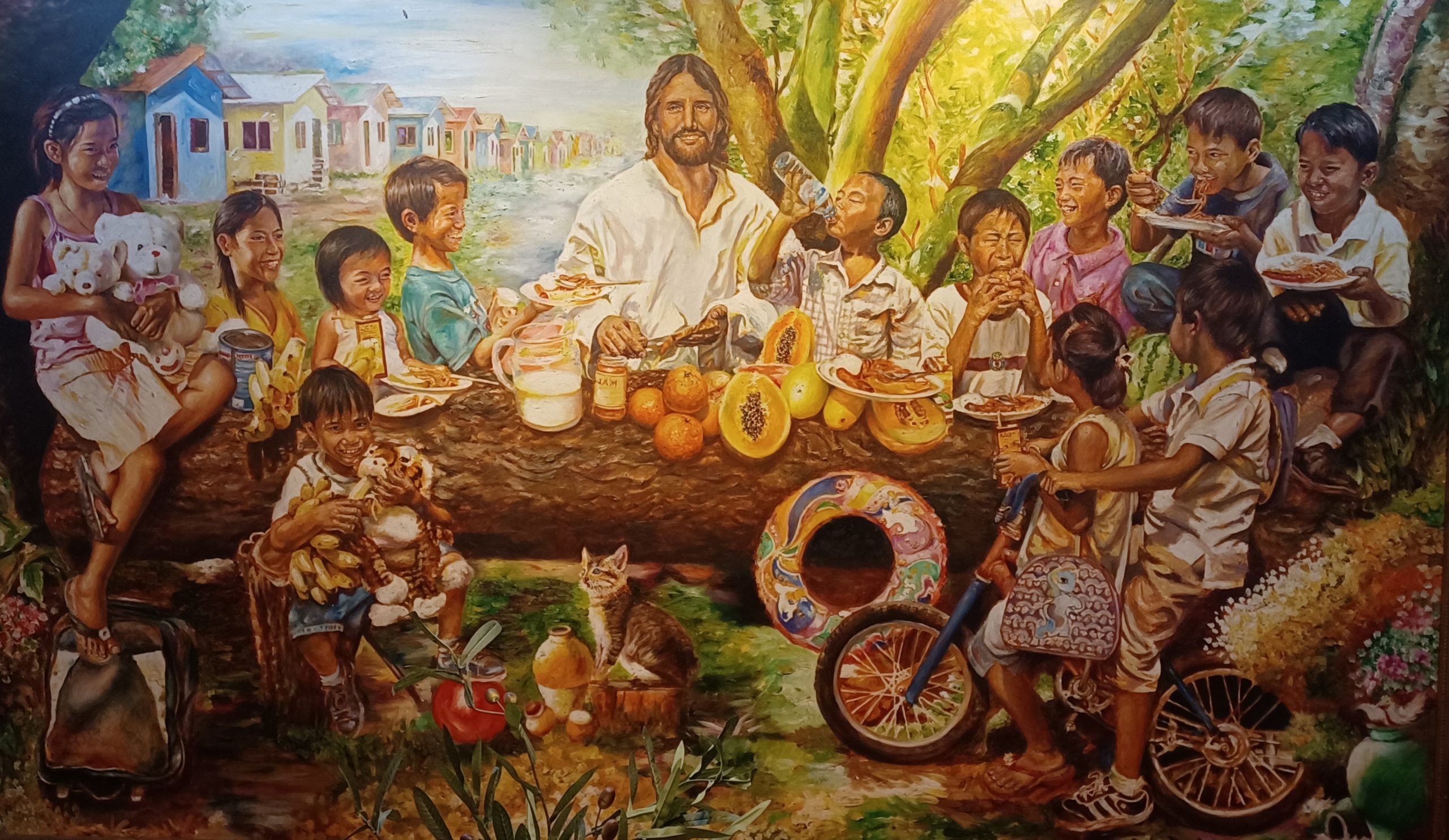
How often does it happen that two shipping disasters occur in one week? The contrast between the two disasters could not have been greater; neither could the reaction of public opinion and politicians.
On Wednesday 14 June, a boat capsized off the Greek coast, with 750 refugees on board coming from Egypt, Syria, Pakistan. This is not a natural disaster, but – at ‘best’ – guilty negligence on the part of Greece, and by extension the EU, and at worst complicity. Indeed, the role of Greek coastguards is particularly dubious and questionable, especially after the stories of surviving sailors. That it was just a luxury yacht that still tried to help the boat into Greece only makes it more poignant and ironic.
On Sunday 18 June, the submarine Titan set off on an expedition to the wreck of the Titanic, with five people on board. I have no idea how much the refugees paid to the smugglers for their dangerous crossing, but this trip on the Titan cost the five occupants US$250,000, about 229,000 euros per person. On 22 June, the Titan’s wreckage was found, and any hope of the five men making it back alive was taken away.
I don’t know how these two shipping disasters were reported by newspapers and media in your country, but here in Belgium the contrast is painfully obvious (and I suspect the rest of Europe). Obviously, there was no way not to report on the migrant boat in Greece, but it was striking how the news about the Titan was followed closely with constant updates on any sounds, denouements in the rescue operation and extensive coverage of the various occupants, and now interviews with their relatives mourning its disappearance. For the migrants’ shipwreck, it was mostly limited to updates on the numbers of people who lost their lives in the Mediterranean in complete anonymity. The fact that at least two classes of children like mine perished still captures one’s imagination, even if as a reader or viewer one must conjure that image for oneself.
One does not have to be a utilitarian to still question to some extent the more selective moral indignation we observe both among politicians and public opinion. It cannot be condoned, but it is understandable: five people dying in a spectacular trip simply has more ‘news value’ than yet another report about a fatal shipwreck with refugees – the latter we know all too well by now, and we are used to it. Indifference threatens. The different layers of news coverage also mean that we are more literally and figuratively taken in by the initial news event, while more effort is required of ourselves to properly imagine the situation. And isn’t it simply our human nature, in the face of such large numbers, to make more abstraction of the individuals involved so that we can keep more distance? Thus, as Europeans, we can at least avoid having to ask ourselves about our complicity in this.
Rather than an analysis of European migration politics, these two news events trigger in myself the question of the importance of stories and how, from there, we can then think back on a larger, more structural scale. I myself experienced last spring how an image, a painting more specifically and the stories accompanying it, unexpectedly broke through my own dormant indifference. We were family guests for a month-long research stay at Saint Vincent School of Theology in Manila, Philippines. With a spirituality and vision expressed from the baseline of ‘doing theology from the margins’, it felt like a theological and spiritual homecoming.